
America’s 90 million dogs produce over 10 million tons of waste a year, and nearly all of it travels to landfills wrapped in plastic that outlives the dog, the owner, and the landfill’s operating permit. Eco-friendly dog poop disposal is the rare green habit that costs little, takes minutes, and addresses a pollution stream you personally generate every single day.
The catch is that this topic is thick with greenwashing, from “biodegradable” bags that never biodegrade to compost advice that can contaminate a vegetable bed. Here is what actually helps in 2026, ranked honestly.
Why Doing Nothing Is the Worst Option
Leaving waste “for nature” is not neutral. Dog waste is not wild-animal waste; it is produced in unnatural density and loaded with nutrients and pathogens local ecosystems never evolved to absorb. Rain moves it into storm drains, which in most U.S. cities flow untreated into creeks and lakes.
The EPA identifies pet waste as a contributor to nutrient pollution, the excess nitrogen and phosphorus behind algal blooms and beach closures. Several watershed studies have traced measurable shares of bacterial contamination in urban streams to dogs. Whatever disposal method you choose, choosing one beats abstaining.
The 5 Greener Options, Ranked
- In-ground digester. A buried unit that liquefies waste with septic-style enzymes, returning it to subsoil below the root zone. Zero plastic, zero hauling.
- Hot composting in a dedicated bin. Effective and yard-safe when done correctly, but strictly for ornamental use, never food gardens.
- Flushing, unbagged, into a municipal sewer. Treatment plants are built for exactly this material. Skip it if you are on septic or your utility advises against it.
- Certified compostable bags to a pet-waste composting service. Growing in 2026, with curbside pet-waste pickup now operating in several U.S. metros.
- Trash, in the fewest and thickest bags possible. The baseline option, made greener by consolidating a week of pickups into one bag instead of ten.
Can You Compost Dog Poop Safely?
Yes, with two non-negotiables: heat and separation. Pathogens like roundworm eggs die only when compost sustains roughly 145 degrees Fahrenheit for several days, which requires a dedicated, actively managed hot pile, not a passive backyard heap. USDA-developed guidance for dog waste composting calls for mixing about two parts waste to one part carbon-rich material like sawdust and turning the pile regularly.
Separation is the second rule. Keep this compost in its own bin and use the finished product only on ornamental beds, trees, and lawns. A cool, casual pile does not sterilize anything; it just relocates the problem into your soil.
Comparing the Methods Side by Side
| Method | Plastic used | Effort | Upfront cost | Eco impact |
|---|---|---|---|---|
| In-ground digester | None | Low after setup | $30 to $80 | Best |
| Hot composting | None | High | $20 to $50 | Excellent if managed |
| Flushing (sewer) | None | Medium | $0 | Very good |
| Compostable bag + service | Minimal | Low | Monthly fee | Good |
| Consolidated trash | Reduced | Low | Minimal | Baseline |
The Bag Problem, Solved Honestly
Most “biodegradable” claims assume industrial composting conditions that a sealed landfill never provides; buried in anaerobic trash, a green-tinted bag mummifies like any other. If your waste is landfill-bound, the genuinely greener move is fewer, better bags rather than more marketing-friendly ones.
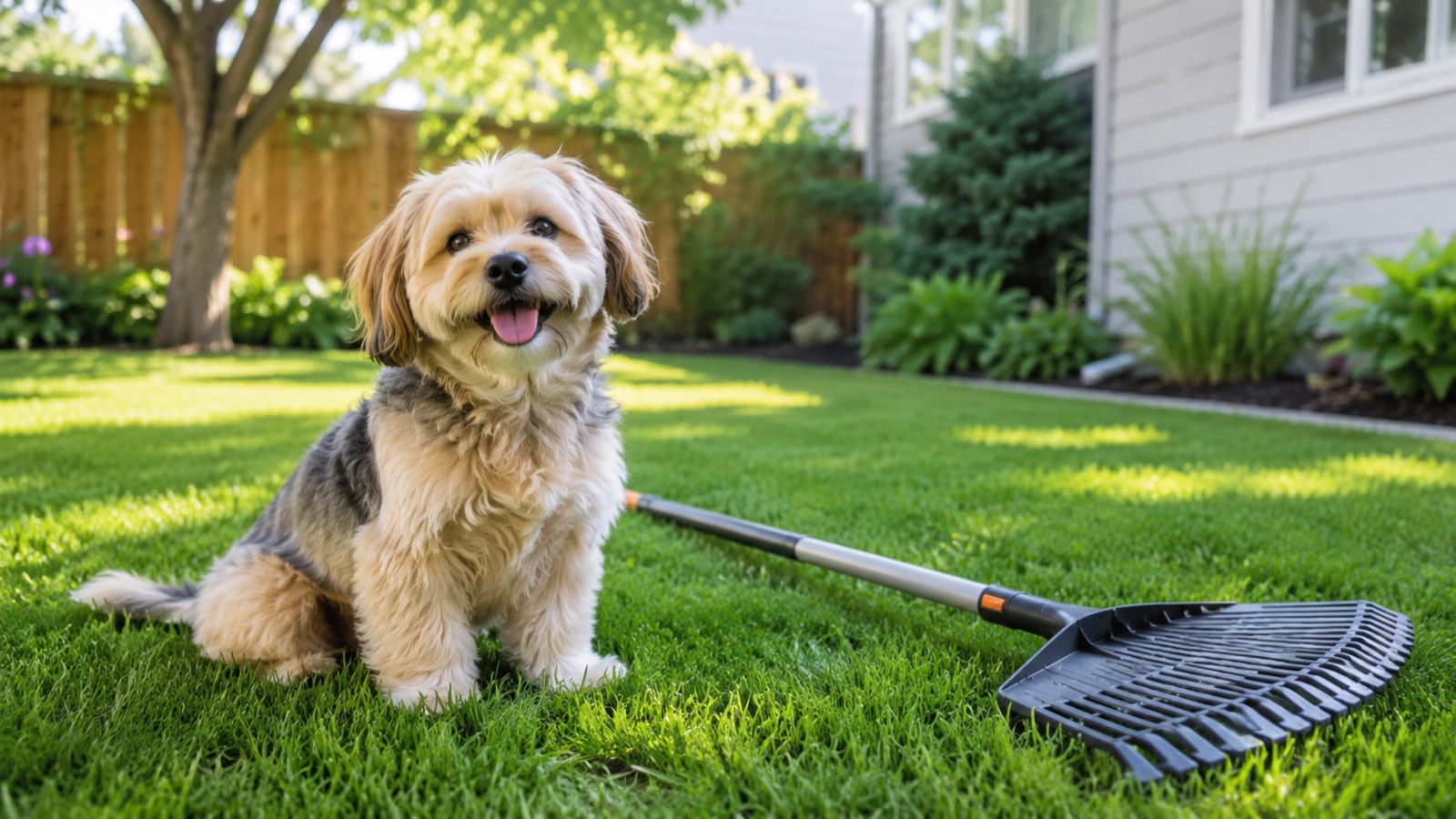
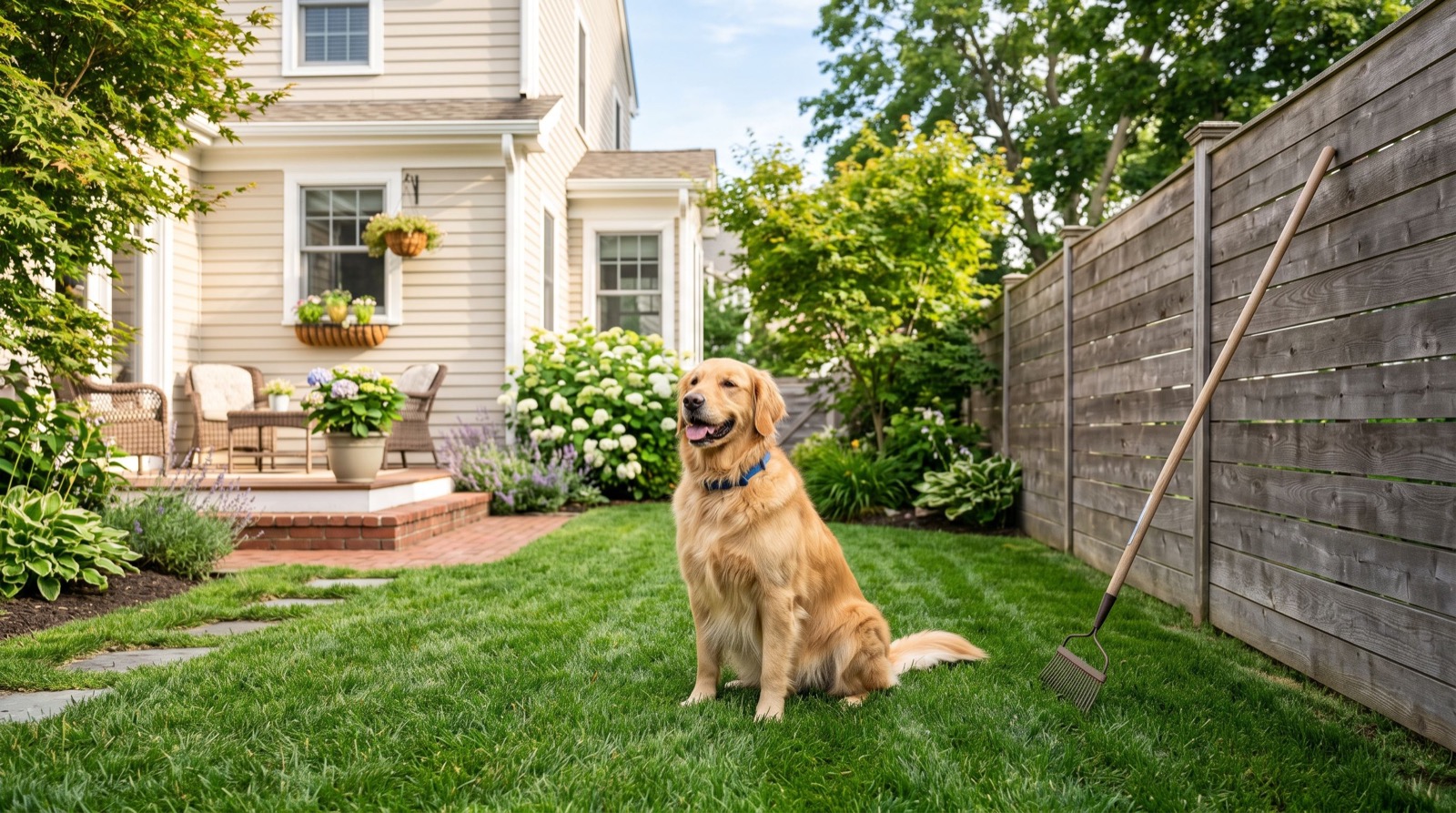
That is where consolidation shines. Collect the yard’s piles with a long-handled tool into a single larger sack, and one week of waste uses one bag. Purpose-made heavy duty bags handle a full week’s volume without tearing, which is what makes the one-bag-per-week system practical instead of theoretical.
For the collection itself, gear from a specialist Pooper scooper company lets you gather multiple piles touch-free before bagging anything, breaking the one-pile-one-plastic-bag reflex that makes dog ownership so bag-intensive in the first place.
What About Pickup Services?
A growing number of scooping services now advertise eco disposal, composting collected waste or delivering it to digester facilities instead of dumpsters. If you already outsource yard cleanup, this is the easiest upgrade available: same chore, better endpoint.
Ask pointed questions before believing the leaf logo, the way you would with any trusted professionals: where does the waste physically go, who operates the compost site, and can they say it plainly. Legitimate operators answer in one sentence; greenwashers answer in adjectives.
Pricing for eco-routed service usually runs only a few dollars above standard scooping, since hauling is the same and only the destination changes. If your current provider does not offer it, asking is often what puts it on their roadmap.
How Big Is One Dog’s Footprint, Really?
Numbers make the habit stick. A 50-pound dog produces roughly 275 pounds of waste per year. Bagged pile by pile, that is 700-plus single-use plastic bags annually for one medium dog, or several thousand over a lifetime.
Now run the switch. Consolidating to one tough sack per week cuts the count to about 52 bags a year, a 90 percent reduction with zero extra effort. A digester or managed compost takes the same dog to near zero plastic, diverting an eighth of a ton from the landfill annually.
Multiply by a neighborhood and the stakes get civic. A single 300-home subdivision with average dog ownership generates more than 20 tons of pet waste a year, which is why a handful of forward-looking HOAs now install communal digesters beside their dog parks. Individual habits scale; that is the entire pitch.
Frequently Asked Questions
Are compostable poop bags worth buying?
Only if they reach a composting destination. In a landfill they perform like regular plastic. Pair certified compostable bags (look for ASTM D6400 marking) with a digester, a managed compost bin, or a composting pickup service, and they genuinely help.
Is it legal to flush dog poop?
In most U.S. municipalities on sewer systems, yes, and some utilities recommend it. Never flush bags of any kind, including flushable-labeled ones, and skip flushing entirely on septic systems, which are not sized for the extra load and hair content.
Can dog waste go in my green yard-waste bin?
Almost never. Municipal yard-waste composting runs on vegetation and most programs explicitly prohibit pet waste, since one contaminated load can spoil a batch. Check your city’s rules; a few pilot programs are the exception, not the norm.
Greener From Tomorrow Morning
Eco-friendly dog poop disposal does not demand perfection, just a better default: install a digester, run a real hot compost, flush where your utility allows, or at minimum consolidate the week into one tough bag. Pick the option that fits your yard and commit for one month. Ninety million dogs make this a big lever, and your end of it moves tomorrow morning.